Both build wealth, but they behave differently. Here's how to choose the right one for your goals.
One of the most common questions we hear from investors is simple: should I put my money into residential or commercial property? The honest answer is that it depends on your goals, your timeline, and your appetite for management. Both can be excellent investments, and both behave differently.
Residential property, apartments in particular, tends to offer steadier demand. People always need somewhere to live, which means occupancy stays relatively stable and tenants often stay longer. Rental yields are usually moderate but dependable, making residential a strong choice for investors who want consistent, lower-volatility income.
Commercial property, such as retail outlets and offices, often delivers higher rental yields and longer lease terms. The trade-off is that demand is more tied to location and footfall. A commercial unit in a high-traffic, high-visibility position can significantly outperform, which is exactly why placement matters so much.
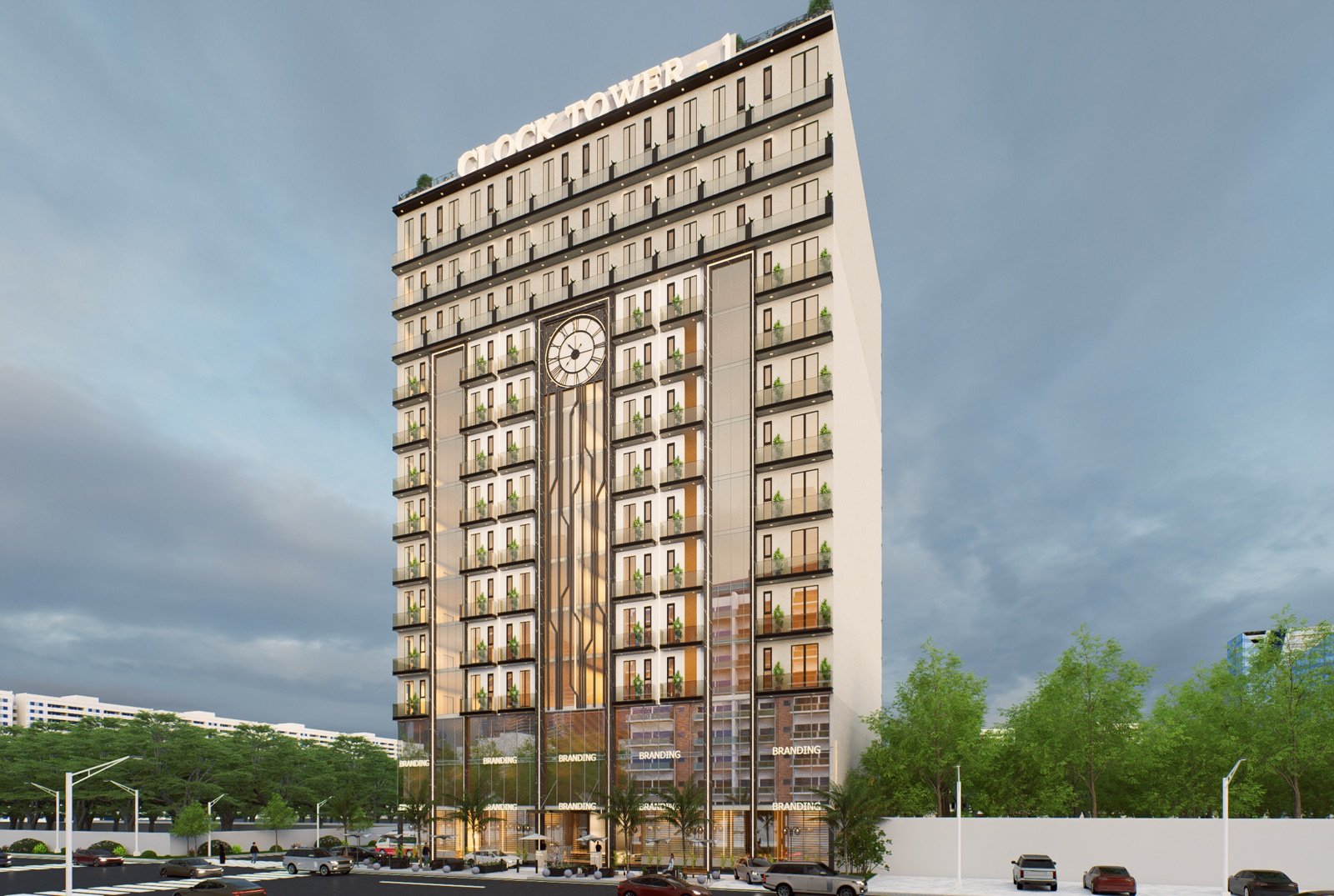
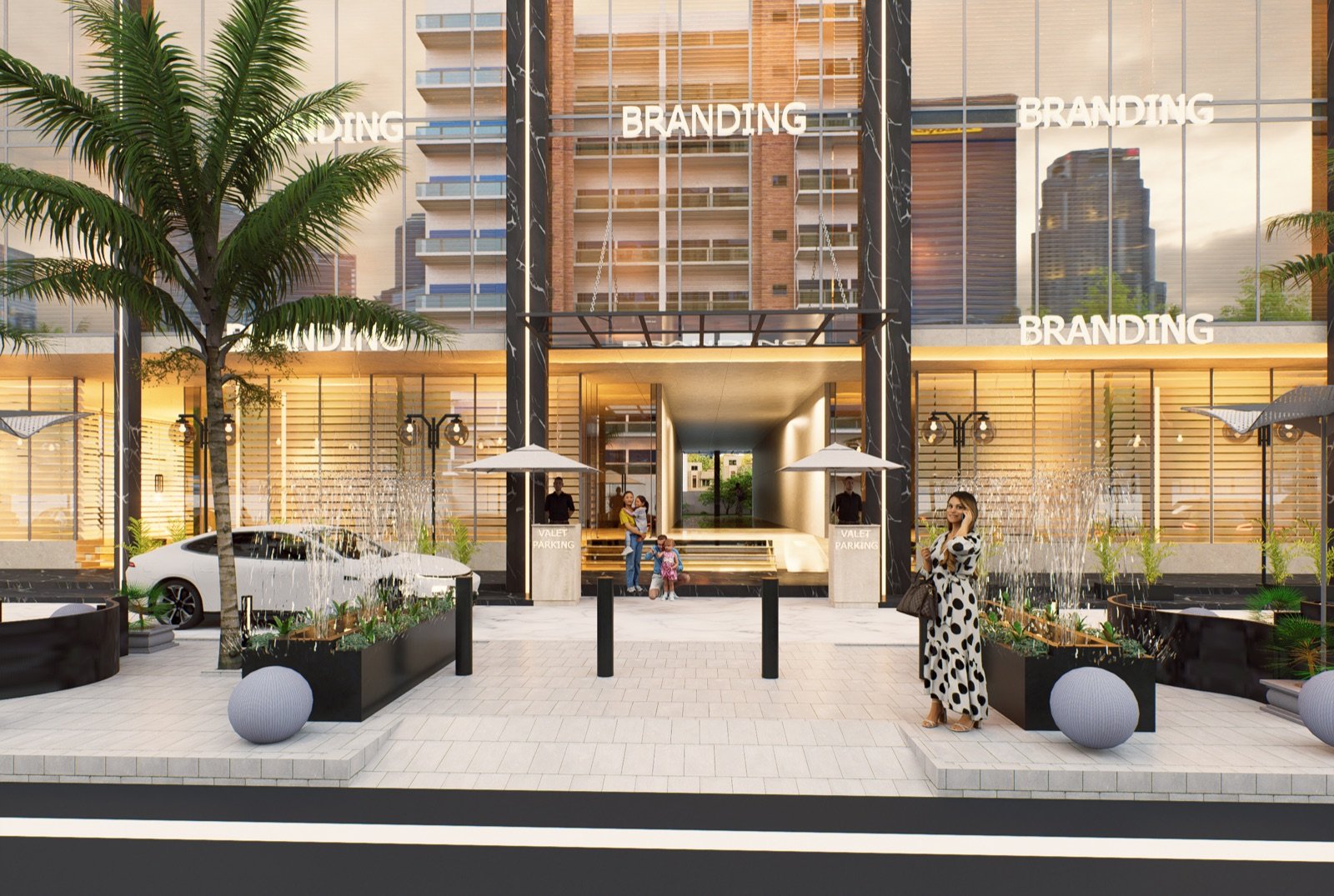
This is where mixed-use developments become compelling. A project like Clock Tower 1 combines both under one roof: lifestyle apartments for stable residential demand, and premium commercial outlets positioned for footfall on Raiwind Road. Investors can choose the exposure that fits their strategy, or diversify across both within a single trusted development.
Whatever you choose, one rule holds: the quality and reliability of the developer matters as much as the property type. On-time delivery, honest pricing, and build quality protect your return long after you sign.
Residential offers stability, commercial offers yield. Mixed-use projects let you choose, or balance, both.
Ready to take the next step?
Compare Units at Clock Tower 1